What is a photo mount and why does it matter?
A mount gives your photo breathing room and a gallery finish. Here’s how to choose one.
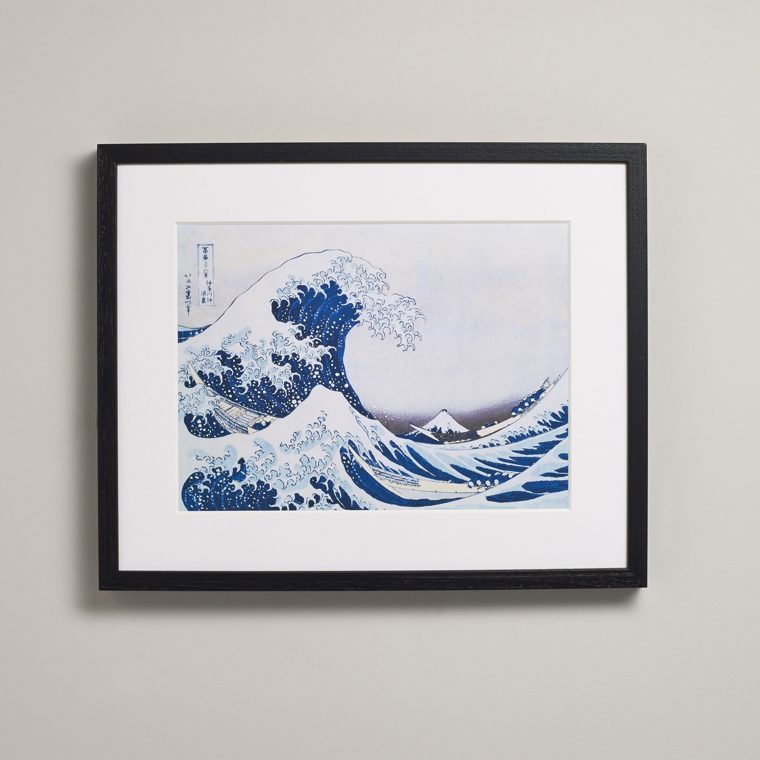
A mount does two jobs at once and only one of them is decorative. Visually it gives the image a margin so the frame doesn’t crowd it. Physically it holds the print away from the glazing, which is what stops photographs sticking to glass as temperature and humidity change.
What a mount actually does
A mount performs two jobs, and it's worth separating them because they call for different decisions. Visually, it's the pale or dark margin that stops a print from touching the frame's inner edge, giving the eye somewhere to rest before it meets the moulding. Physically, mount board holds the print proud of the glazing by a few millimetres, so it doesn't sit flush against glass or acrylic that can trap moisture and cause sticking over time. Acid-free board matters for both jobs — it keeps whites white for decades rather than yellowing, and it won't leach acid into the print itself.
Choosing the right frame colour
White mount board suits the great majority of photos, from crisp digital shots to black-and-white prints, because it reads as neutral rather than adding its own colour cast. Off-white, cream or ivory board warms up vintage, sepia or film photography, echoing the aged tone of the print rather than sitting starkly against it. Black mount board adds drama and works well with high-contrast or moody images, but use it sparingly since it also narrows the visual margin more than a pale mount. Snow White, Black and Hayseed are the three acid-free options worth knowing by name if you're choosing board yourself.
As a rule of thumb, add roughly 8–10% of your print's longer edge as mount width on each side — so a 40cm-wide print wants a mount of around 3.5–4cm, not a fixed 40mm regardless of size.
Mounts and presentation
A single mount around 40mm wide is the standard, versatile choice for most 10×8in prints, giving enough margin to feel considered without overwhelming a modest-sized photo. Double mounts — a wider base mount with a narrower second layer, often in a contrasting shade like warm grey over white — add a classic, gallery-style finish that suits formal portraits and heirloom prints particularly well. Whichever style you choose, keep the mount width consistent on all four sides; an uneven mount is one of the more noticeable presentation mistakes once a print is on the wall.
Size and proportion
Mount width should scale with the print, not stay fixed regardless of size. A 40mm mount suits a 10×8in photo well, while a 16×12in print typically wants around 60mm to keep the proportions feeling balanced rather than swamped by the frame. As a rough rule, aim for a mount width equal to roughly 8–10% of the print's longer side, adjusting up for a statement piece or down for a small, densely detailed image. Oversized prints destined for a stairwell or hallway can take a wider mount still, up to 80–100mm, without looking excessive.
Glazing for protection
The mount you choose has a direct effect on glazing, because it's the mount's depth that keeps the print off the glass or acrylic in the first place. Standard glazing works fine as long as the mount is doing its job properly and lying flat, but if humidity in the room varies a lot — a kitchen or bathroom, for example — anti-reflective glazing paired with a slightly deeper mount reduces the risk of moisture-related sticking. Keep the mount seated flat against the glazing rather than bowed, since a warped mount can let the print drift into contact with the glass at one edge.
Common mistakes to avoid
Coloured mounts — anything beyond white, off-white, cream or black — tend to date a print quickly and compete with the photo for attention, so use them only when you're deliberately matching a room's colour scheme. Narrow mounts on large prints are just as common a mistake: a 20mm mount on a 20×16in photo looks like an afterthought rather than a considered choice, where 60–70mm would give it proper presence. Skipping the mount altogether on a large print is rarely a good shortcut either — the frame ends up doing a job it wasn't designed for.
Frequently asked questions
What is a photo mount?
A mount is the board border that sits between the photo and the inner edge of the frame, usually cut from acid-free card in white, cream or black. It does two jobs at once: visually it creates breathing room so the frame doesn't crowd the image, and physically it holds the print away from the glazing to stop it sticking as humidity changes. Most made-to-order frames use a mount by default, though some styles, like panoramic or box frames, work well without one.
How wide should a mount be?
As a starting point, 40mm suits a 10×8in print and 60mm suits a 16×12in print — roughly 8–10% of the longer edge in each case. Larger statement prints for a hallway or stairwell can take a wider mount still, up to 80–100mm, without looking oversized. The main rule is proportion: the mount should scale with the print rather than stay fixed at one width regardless of size.
White or cream mount?
White mount board suits the majority of images, including most colour photography and black-and-white prints, because it reads as neutral. Cream or ivory board warms up vintage, sepia-toned or film photography, echoing the aged colour of the print rather than contrasting sharply against it. Black mount board is worth considering for high-contrast or dramatic images, though it narrows the visual margin more noticeably than a pale mount.
Related guides
What frame colour suits your photo? • What size frame for your photo? • How to frame family photos
How Emblem Frames helps
At Emblem Frames we remove the guesswork. Upload your photo and our AI analyses colour, subject and mood, then suggests the ideal frame colour, mount and finish. You see a realistic preview before you buy, so you know exactly how it will look on your wall. It’s made-to-order, delivered ready to hang across the UK, with no account needed.