How to frame beach and summer photos
Summer photos are bright and carefree. Let the frame reflect that lightness.
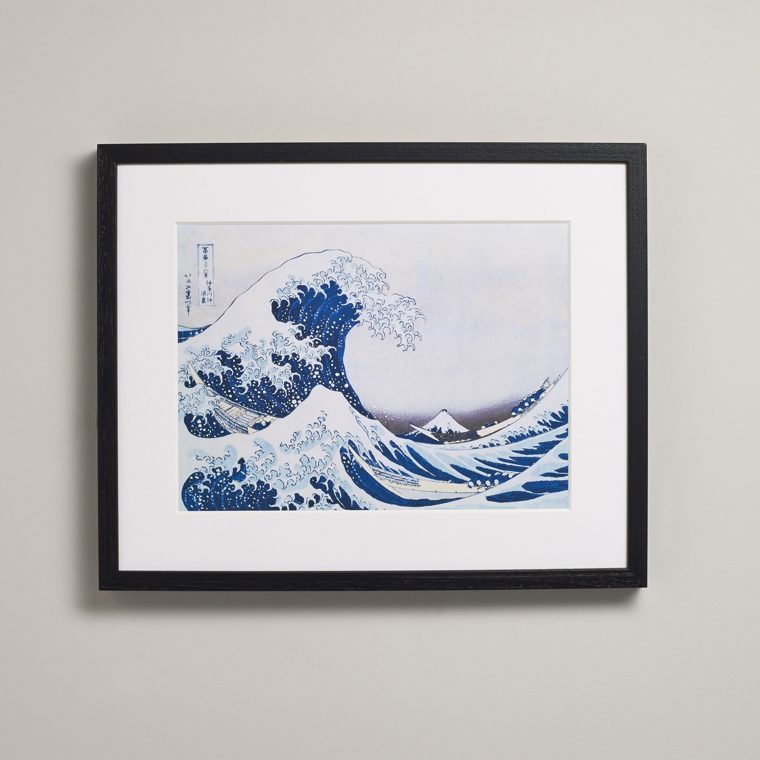
Beach and holiday shots are usually high-key: pale sand, bright sky, washed-out midday light. A heavy dark moulding fights that, closing in an image whose whole appeal is openness. The job is to hold the picture without adding weight to it.
Why beach photos ask for a lighter frame
Beach and summer photographs are usually high-key — pale sand, bright sky, washed-out midday light — and that brightness is the whole point of the image. A heavy, dark moulding fights this by boxing the picture in, drawing the eye to the frame instead of the light. The goal is a frame that supports the photo without adding visual weight, echoing the openness of the scene rather than contrasting with it. Think of the frame as a window rather than a border.
Choosing the right frame colour
White, natural oak and pale grey frames all echo the brightness of a beach scene without competing with it — white keeps things crisp and gallery-like, oak adds warmth that suits golden-hour shots, and pale grey works well against blue skies and turquoise water. Avoid dark frames such as black or espresso unless the photo itself is moody — a stormy sky or a silhouetted sunset can carry a darker frame, but a bright midday beach shot generally can't. If you're unsure, natural oak is the safest all-rounder for holiday photography, since it works with almost any wall colour.
Quick test: squint at your beach photo until the detail blurs. If what's left is mostly pale sand, sky and water, your frame should stay light too — save dark or bold frames for shots with real shadow and contrast, like a sunset silhouette.
Mounts and presentation
White or light cream mounts, 30–40mm wide, give beach and holiday photos a clean, gallery-style finish that keeps the eye on the scene rather than the border. A narrower mount around 30mm suits smaller prints, while wider mounts up to 40mm work well for a single statement shot meant to anchor a wall. Avoid coloured or patterned mounts — they tend to fight with the natural blues and golds already in the photo. If the image has a lot of empty sky or sea, a slightly wider mount helps balance that negative space rather than making it feel unfinished.
Size and proportion
Wide, panoramic formats suit seascapes and horizon shots particularly well, since they mirror the wide, flat line of sea meeting sky rather than cropping it awkwardly into a square. Square frames work better for beach portraits — a child building a sandcastle, or a couple walking along the shore — where the subject sits centrally rather than along a horizon. For a gallery wall of holiday memories, mixing one or two wide seascapes with several square portrait shots creates a more dynamic layout than uniform rectangles. Match mount width across the set so the sizes still feel coordinated.
Glazing for protection
Anti-reflective glass is worth the upgrade for beach and summer photography, because these images are usually hung in bright rooms and the glare from a sunlit sky or water in the photo is only made worse by a glossy, reflective glazing on top of it. Standard glass will bounce window light straight back at the viewer, especially with a large expanse of pale sky or sand in the frame. Acrylic is a good lighter-weight alternative if the frame is large or hanging somewhere fixings need to stay light. Either way, look for glazing with some anti-glare coating rather than the cheapest standard option.
Common mistakes to avoid
Don't reach for heavy dark wood mouldings — mahogany, walnut or black gloss finishes fight the brightness that makes beach photography work in the first place. Another common mistake is skipping anti-reflective glazing and then hanging the print opposite a window, where glare makes the image almost impossible to see properly at certain times of day. Overly ornate or textured frames also distract from the simplicity of a good beach shot; keep the moulding slim and plain. Finally, avoid mounting board that isn't acid-free if the photo will hang somewhere sunny, since cheap board yellows faster in direct light.
Frequently asked questions
What frame colour for beach photos?
White, natural oak and pale grey frames echo the brightness and airy feel of beach and holiday photography without competing with it. Oak adds a little warmth for golden-hour or sunset shots, while white keeps things crisp for midday brightness. Reserve dark frames for genuinely moody images, such as storm clouds or silhouettes.
Best glazing for bright beach photos?
Anti-reflective glass reduces glare from bright skies and water, which matters more for beach photography than almost any other subject because these images are full of reflective, pale surfaces. It also tends to hang in well-lit rooms, where standard glass bounces window light straight back at the viewer. Acrylic is a good lightweight alternative if you'd rather avoid glass altogether.
Should beach photos have a mount?
Yes — white or light cream mounts, 30–40mm wide, give beach photos a clean, uncluttered finish that lets the colour and light of the scene do the work. A wider mount suits images with a lot of open sky or sea, helping balance that empty space. Avoid coloured or patterned mounts, which tend to clash with the natural blues and golds already in the photo.
Related guides
How to frame travel photos • How to frame landscape photos • How to frame family photos
How Emblem Frames helps
At Emblem Frames we remove the guesswork. Upload your photo and our AI analyses colour, subject and mood, then suggests the ideal frame colour, mount and finish. You see a realistic preview before you buy, so you know exactly how it will look on your wall. It’s made-to-order, delivered ready to hang across the UK, with no account needed.