Which frame material should you choose?
Material changes look, feel and longevity. Here’s how to pick.
Material is the decision people spend the least time on and live with the longest. It determines the weight the wall has to carry, how the frame ages in sunlight or a humid room, and how crisp the corners look close up. Style tends to follow from those practical properties rather than the other way round.
What the material actually changes
The material you choose determines three things that matter more than most people realise: how much weight your wall fixings need to bear, how the frame ages in sunlight or a humid bathroom, and how crisp the corners and profile look up close. A solid oak frame in a 16×12 inch size can weigh several times more than the equivalent aluminium one, which matters if you’re fixing into plasterboard. Material also affects how the frame interacts with light — matte wood absorbs it, while polished metal and gloss finishes can throw reflections. Choose the material first and the finish tends to follow naturally.
Choosing the right frame colour
Wood frames, whether natural oak, dark walnut or painted white, bring warmth and texture and suit almost any room, especially alongside other wooden furniture. Metal frames — typically black, white or brushed silver — read as clean and modern, and work particularly well for minimalist interiors or large statement pieces where a slim profile matters. Plastic and composite frames are the budget option, usually moulded to imitate wood grain or a simple gloss black or white finish; they’re fine for casual or temporary displays but rarely convincing up close. Gold and antique finishes suit both wood and metal and work well for more traditional or formal rooms.
Rule of thumb: if a frame is going above 16×12 inches, weigh up metal or a lightweight composite before committing to solid wood — the difference in weight on the wall fixing is bigger than most people expect, especially on plasterboard.
Mounts and presentation
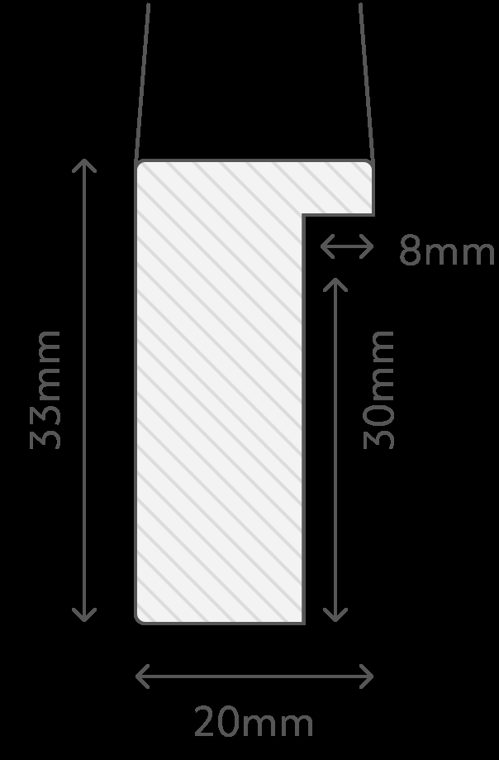
The material of a frame affects how well it pairs with a mount because of rebate depth — the recess at the back that holds the glazing, mount board and print together. Solid wood mouldings tend to have deeper rebates, comfortably fitting a mount plus a spacer for extra depth, which suits certificates or box-mounted prints. Slim metal frames often have shallower rebates, so they’re better suited to a single acid-free mount board, such as Snow White or Black, rather than multiple layers. If you want a particularly wide mount, check the rebate depth before ordering rather than after.
Size and proportion
As frames get larger, weight becomes the deciding factor, and this is where material really earns its keep. A 20×16 inch or bigger print in solid wood moulding can be genuinely heavy once glazing and mount board are added, needing two wall fixings rather than one. Metal frames are considerably lighter at the same size, which makes them a safer choice for large statement pieces on plasterboard walls or for anyone unable to fix directly into a stud or masonry. If you love the look of wood but need a big frame, ask about a wood-effect composite instead.
Glazing for protection
Acrylic glazing is significantly lighter than glass, which matters most on larger frames where standard glass adds real weight to the wall fixing. It’s also shatter-resistant, making it the sensible choice for children’s rooms, hallways, or anywhere a frame could get knocked. Standard glass gives the clearest, most neutral view of a print and is the usual choice for smaller or mid-sized frames. For anything hung in direct sunlight, or where you want to preserve colour long-term, museum glass or UV-protective glazing is worth the upgrade regardless of which frame material you choose.
Common mistakes to avoid
Don’t put genuinely valuable prints or original art in plastic frames — the mount board and glazing quality tend to be an afterthought, and the frame won’t protect the piece the way a proper wood or metal moulding will. Equally, avoid heavy solid wood frames in bathrooms, kitchens or other humid rooms, where changing moisture levels can cause warping or the joints to loosen over time. In those rooms, a sealed composite or metal frame copes far better. When in doubt, match the frame’s durability to how much the photo inside actually matters to you.
Frequently asked questions
Wood vs metal frames?
Wood is warm and traditional, with a texture and grain that suits classic interiors and pairs naturally with other wooden furniture. Metal is modern, slim and considerably lighter, which makes it a practical choice for large frames or walls where you’d rather not add unnecessary weight. Neither is objectively better — it comes down to the room’s style and how big the finished piece will be.
Is acrylic safe?
Yes — acrylic is shatter-resistant, so it’s a sensible choice for children’s bedrooms, playrooms or busy hallways where a frame might get knocked. It’s also considerably lighter than glass, which makes it easier to hang large frames securely. The main trade-off is that budget acrylic can show more surface scratching over time than glass, though this is far less noticeable at normal viewing distance.
Best material for humid rooms?
Metal or sealed composite frames cope with humidity far better than solid wood, which can warp, swell or loosen at the joints as moisture levels rise and fall in a bathroom or kitchen. If you do want a wood look in a humid room, choose a sealed or veneered composite rather than solid timber. Whatever the frame material, pair it with acrylic glazing rather than glass in these rooms to reduce the risk of condensation marks.
Related guides
What frame colour suits your photo? • What size frame for your photo? • What is a photo mount and why does it matter? • Canvas vs photo framing
How Emblem Frames helps
At Emblem Frames we remove the guesswork. Upload your photo and our AI analyses colour, subject and mood, then suggests the ideal frame colour, mount and finish. You see a realistic preview before you buy, so you know exactly how it will look on your wall. It’s made-to-order, delivered ready to hang across the UK, with no account needed.