How to hang frames correctly
The best frame can look wrong if it’s hung badly. Do it right once.
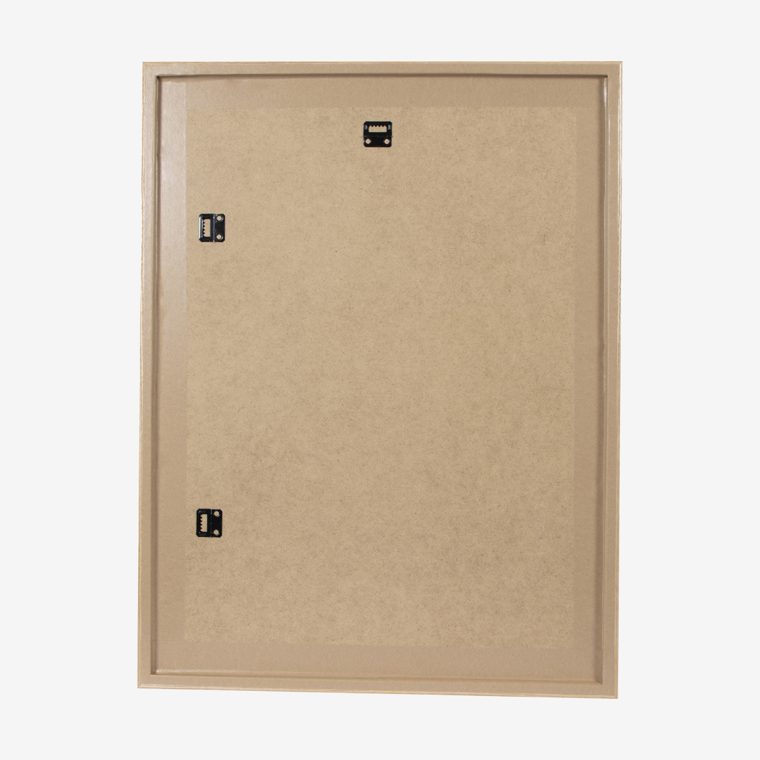
Hanging is where most visible mistakes happen, and they are mistakes of height far more often than of hardware. Pictures end up level with the eyeline of whoever hung them rather than the room’s, which is why so many walls feel subtly wrong without anyone being able to say why.
Why hanging is worth getting right
Hanging is the final five minutes of a job that might have taken weeks of choosing a frame, mount and print — and it’s where most visible mistakes happen. They’re mistakes of height far more often than of hardware: a picture hung a little too high looks wrong to almost everyone, even if they can’t say exactly why, because it sits above the eyeline the room naturally expects. Getting the height, spacing and fixing right the first time means you’re not left with extra nail holes to fill, and the frame you chose carefully actually gets to look its best.
Tools and fixings you’ll need
A stud finder and a spirit level are worth owning before you hang anything — the stud finder locates timber studs or at least tells you what’s behind plasterboard, and the level stops a frame drifting visibly off true, which is far more noticeable than most people expect. On plasterboard, use proper wall anchors rated for the frame’s weight rather than a plain nail or pin; on masonry or brick, a masonry bit and wall plugs are essential. For the frame itself, D-rings with picture wire spread weight better and allow small height adjustments, while sawtooth hangers are quicker but only suit lighter frames hung dead level.
Before you drill, tape a paper template cut to the frame’s exact size to the wall and step back to the far side of the room. Heights and spacing that look right from arm’s length often look completely different from where you’ll actually be standing to view the picture day to day.
Spacing multiple frames
When hanging more than one frame together, consistency in spacing matters more than the exact gap you choose — 3–5cm between frames gives a relaxed, gallery feel, while 2cm suits a tighter grid. Before drilling anything, cut paper templates to the size of each frame and tape them to the wall in your planned arrangement, then live with it for a day to check the spacing and positions feel right. Use a spare offcut of card cut to your chosen gap width as a spacer while marking fixing points, so every gap ends up genuinely identical rather than approximately even.
Size and proportion
The centre of a single frame, or the visual centre of a grouped arrangement, should sit around 150cm from the floor — roughly average eye level for someone standing. Above furniture such as a sofa, sideboard or bed, hang the frame 20–25cm above it instead, and aim for the frame or group to span roughly two-thirds to three-quarters of the furniture’s width so it doesn’t look like an afterthought or feel top-heavy. In a dining room or anywhere you’re mostly seated, it’s worth hanging slightly lower than the standing eye-level rule suggests.
Keeping frames level and secure over time
Check hung frames for level every so often, since seasonal changes in humidity can cause wire and fixings to settle slightly, particularly in older houses. Every fixing has a weight limit, and it’s easy to underestimate how heavy a large framed print actually is once glass or acrylic glazing and mount board are added — a 16×12 frame can weigh several kilograms. Anything above roughly A3 size, or any frame that feels substantial in your hands, should use two fixing points rather than one, both to stop it swinging out of level and as a safety margin if one fixing were ever to fail.
Common mistakes to avoid
Hanging too high is the single most common mistake, almost always because people hang a picture level with their own eyeline while standing close to the wall, rather than the room’s natural eye level from a few steps back. The second most common is using plain nails or pins directly into plaster without a proper fixing or anchor behind them — plaster crumbles under concentrated weight in a way solid masonry or timber doesn’t, and the frame can work loose months later. Always test the height with a paper template taped to the wall before committing to a hole.
Frequently asked questions
How high to hang frames?
Centre a single frame, or the visual centre of a group, at around 150cm from the floor — this approximates average eye level when standing. Above furniture like a sofa or sideboard, hang it 20–25cm above the furniture instead of measuring from the floor. In rooms where you’re usually seated, such as a dining room, it’s worth going slightly lower than the standing eye-level guideline.
How far apart to space frames?
3–5cm between frames gives a relaxed, gallery-style feel with enough breathing room to let each piece stand on its own, while 2cm suits a tighter, more graphic grid arrangement. Whichever gap you pick, consistency matters more than the precise measurement — use a spacer cut to that width while marking positions so every gap matches exactly. Uneven gaps are one of the quickest ways to make an otherwise good arrangement look accidental.
What tools to hang frames?
A stud finder, a spirit level, and wall anchors matched to your wall type — plasterboard, masonry or timber stud — are the essentials for a secure, straight hang. D-ring fittings with picture wire are the most forgiving hanging method since they allow small height adjustments after the fixing is in place, while sawtooth hangers are quicker but only suitable for lighter frames. For anything heavy or larger than roughly A3, use two fixing points rather than relying on one.
Related guides
How to create a gallery wall • How to frame family photos • How to frame portrait photos
How Emblem Frames helps
At Emblem Frames we remove the guesswork. Upload your photo and our AI analyses colour, subject and mood, then suggests the ideal frame colour, mount and finish. You see a realistic preview before you buy, so you know exactly how it will look on your wall. It’s made-to-order, delivered ready to hang across the UK, with no account needed.