How to frame portrait photos
Portraits are about the face. The frame should support, not distract.
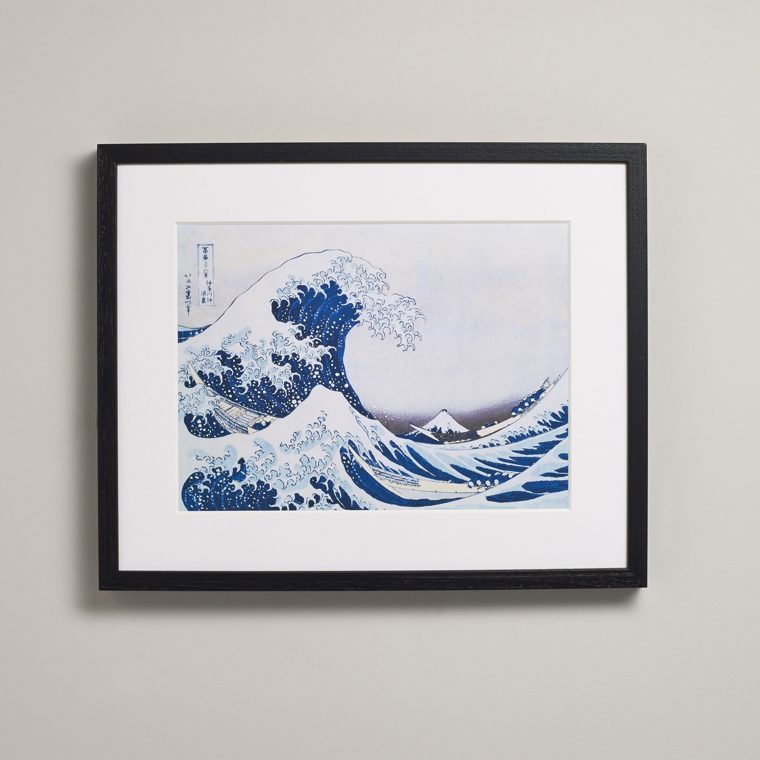
A portrait directs attention to a single place, and the frame either reinforces that or competes with it. The reliable approach is to keep everything around the face quiet — a neutral mount, a restrained moulding, and enough margin that the subject isn’t pressed against the edge.
What a portrait asks of a frame
A portrait works because it directs every bit of attention to one face, and the frame's only job is to protect that focus rather than pull against it. That means avoiding anything that introduces a second point of interest — a bold pattern, a bright accent colour, or a frame so wide it becomes the first thing you notice on the wall. A quiet, restrained moulding in a single neutral tone, paired with enough margin around the subject, lets the eye land on the face within a second of looking at the wall rather than working past the frame first.
Choosing the right frame colour
Black frames suit high-contrast studio portraits particularly well, especially black-and-white photography, formal headshots or dramatic lighting setups, because the frame echoes the tonal range already in the image. White frames work best for bright, airy portraits shot in natural light with pale backgrounds, keeping the whole presentation feeling light rather than heavy. Natural oak or light wood suits softly lit, outdoor or lifestyle portraits, picking up warm skin tones without competing with them. Dark grey is worth considering as a middle ground when a photo has both light and dark elements and neither black nor white feels quite right.
Quick test: hold the finished print at arm's length, look at it, then look away and back again. If your eye goes straight to the face rather than the frame or mount, the framing is doing its job — if it catches on the border first, the frame is too heavy or the mount too narrow.
Mounts and presentation
A mount of 30–50mm is the sweet spot for most portrait prints — wide enough to give the face proper breathing room, narrow enough that it doesn't dilute the intimacy of a close-up shot. White or off-white mount board works for most skin tones, staying neutral rather than casting a colour onto the face, though warm grey can suit portraits with cooler studio lighting. For formal or heirloom portraits, a double mount — a wider white base with a narrower coloured inner layer — adds a classic, considered finish without introducing anything distracting near the face itself.
Size and proportion
Square or 4:5 ratio frames suit head-and-shoulders portraits particularly well, since they avoid the excess empty space above and below the subject that a standard 3:2 landscape-oriented ratio can leave. Leave genuine headroom above the crown of the head rather than centring the face dead in the middle of the frame — as a guide, aim for roughly 10–15% of the frame's height as clear space above the hairline. Full-length or environmental portraits suit a taller 4:5 or 2:3 ratio instead, giving the body and setting room without cropping in on the subject.
Glazing for protection
Anti-reflective glass matters more on portraits than almost any other genre, since faces are exactly where a viewer's eye goes first, and any reflection from a window or overhead light lands right where you don't want it. UV-protective glazing is worth the upgrade for professional prints, particularly giclée prints on fine-art paper, since skin tones are one of the first things to shift as a print fades under daylight. For portraits destined for a bright hallway or south-facing room, museum-grade UV glazing is a sensible investment given how much detail sits in subtle tonal variation across a face.
Common mistakes to avoid
Busy or ornate frames are the most common mistake with portraits — anything with strong pattern, colour or texture pulls attention away from the face rather than supporting it. Cropping the head too close to the top of the frame is just as frequent, and it reads as cramped rather than intimate; leave proper headroom even if it means choosing a slightly larger frame than the print technically needs. Mismatched mount colour is a third: a warm cream mount under cool studio lighting, or vice versa, can subtly clash with skin tone in a way that's hard to place but easy to notice.
Frequently asked questions
What frame colour for portrait photos?
Black suits high-contrast studio portraits and black-and-white photography particularly well, echoing the tonal range already in the image. White works best for bright, airy portraits shot in natural light against pale backgrounds. Natural oak or light wood suits softly lit or outdoor portraits, picking up warm skin tones without competing with them — the general rule is to match the frame to the quietest tone in the photo, not the boldest one.
How wide should the mount be for portraits?
A mount of 30–50mm is the sweet spot for most portrait prints, giving the face breathing room without diluting the intimacy of a close-up shot. Smaller headshot-style prints suit the narrower end of that range, while larger formal or group portraits can take closer to 50mm. White or off-white mount board is the safest choice for most skin tones, since it stays neutral rather than casting any colour onto the face.
Best aspect ratio for portraits?
Square or 4:5 ratio frames suit head-and-shoulders portraits best, avoiding the excess space above and below the subject that a standard landscape-oriented ratio leaves. Leave roughly 10–15% of the frame's height as headroom above the crown of the head rather than centring the face exactly in the middle. Full-length or environmental portraits suit a taller 4:5 or 2:3 ratio instead, giving the body and setting enough room without cropping in tightly on the subject.
Related guides
How to frame wedding photos beautifully • How to frame black and white photos • How to frame family photos • How to frame graduation photos
How Emblem Frames helps
At Emblem Frames we remove the guesswork. Upload your photo and our AI analyses colour, subject and mood, then suggests the ideal frame colour, mount and finish. You see a realistic preview before you buy, so you know exactly how it will look on your wall. It’s made-to-order, delivered ready to hang across the UK, with no account needed.