How to frame mixed media and art prints
Art prints need different treatment than photos. Here’s how to do it well.
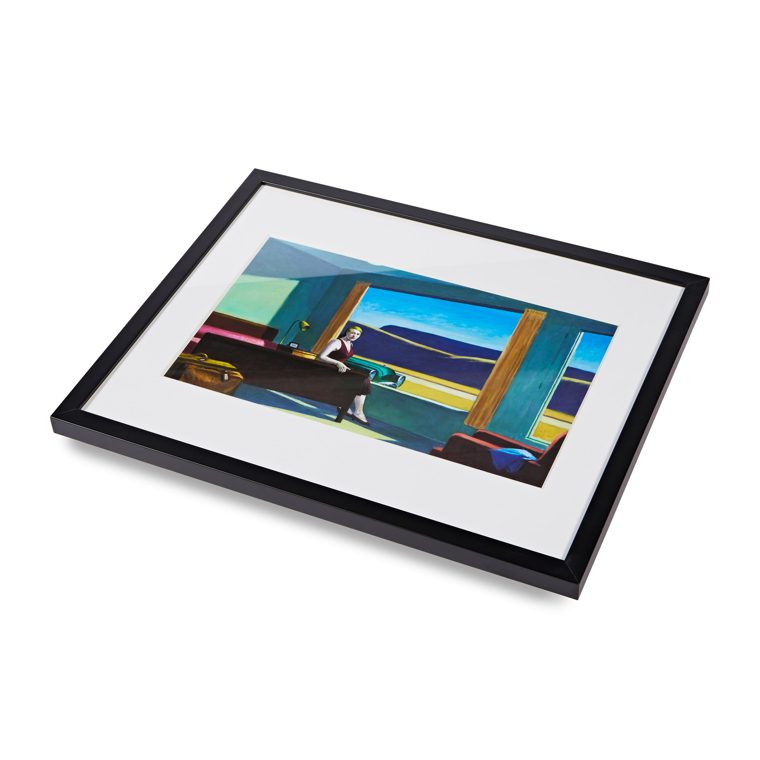
Anything with real texture — collage, heavy paper, paint, pressed material — cannot sit flat against glass without being crushed or eventually sticking to it. That single physical constraint drives every other decision, from the depth of the rebate to whether you use spacers or a deep mount.
Why mixed media needs depth
Anything with real texture — collage, heavy watercolour paper, fabric, pressed botanicals, thick acrylic paint — needs physical clearance between the surface and the glazing, not just a decorative border. Standard frame rebates are cut for a flat print a millimetre or two thick, so textured pieces need either a deeper moulding or spacer bars fitted inside the frame to hold the glazing away from the artwork. Get this wrong and raised areas either get crushed flat over time or, worse, stick to the glass permanently in humid conditions. Measuring the thickest point of the piece before you choose a frame is the single most important step.
Choosing the right frame colour
Natural oak or light wood frames suit textured and collage work particularly well, since the grain and warmth complement rather than compete with varied surfaces and materials. White frames work when the piece already has strong colour and texture of its own and needs a calm, gallery-style edge around it. Dark grey or black frames can work for bold, graphic collage but tend to draw attention to the frame itself, so use them when that's actually the effect you want. Whatever colour you choose, go for a deep-rebate moulding rather than a slim one — texture needs room, not just the right tone.
Before you commit to a frame, lay a spare piece of glass or acrylic flat over the artwork and check for contact at the highest point. If it touches anywhere, you need either a deeper moulding or spacer bars fitted inside the rebate — not a thinner mount.
Mounts and presentation
Spacer bars — thin strips fitted between the mount or frame and the glazing — are what create genuine depth for mixed media, holding the glass or acrylic clear of the highest point on the piece, typically by 5–15mm depending on the material. Mount board itself can be layered: a base mount holds the piece in place while a second, narrower mount on top adds a stepped, gallery-case look around collage or assemblage work. For pieces with only moderate texture, a single deep mount in white or warm grey acid-free board is often enough without needing separate spacers at all.
Size and proportion
Measure the piece at its thickest point, not just its height and width, since that measurement determines the rebate depth or spacer size you actually need. Deep box frames, typically 25–45mm deep, suit collages, three-dimensional assemblages and anything built up in layers, while a standard-depth frame is fine for flat mixed-media prints with only light texture. Leave a little extra margin around the piece itself compared with a standard photo — texture tends to look cramped in a tightly cropped mount in a way a flat print doesn't.
Glazing for protection
Acrylic glazing is often the better choice for mixed media because it's lighter than glass, which matters once you're adding spacer bars and a deep frame that already add weight. Non-glare or anti-reflective acrylic is particularly worth it for textured surfaces, since standard glazing throws distracting reflections across raised areas that a flat print wouldn't show. If the piece includes anything light-sensitive — dyed fabric, pressed flowers, coloured tissue — add UV-protective glazing as well, since these materials fade faster than a standard photographic print under daylight.
Common mistakes to avoid
Pressing textured art flat against standard glazing is the most common mistake — it looks fine on day one and then crushes fibres, cracks paint or leaves a permanent imprint within a few months. Skipping spacers to save on frame depth causes the same problem in a different order: the piece looks fine until humidity changes and it sticks to the glass. Choosing a mount width that suits a flat photo, rather than one that accounts for the piece's thickness, is another frequent error — always measure the depth first, then choose the mount and frame around it.
Frequently asked questions
How to frame textured art?
Use a deep-rebate frame, typically 25–45mm, combined with spacer bars fitted between the glazing and the mount so nothing presses against the raised surface. Measure the piece at its thickest point first, since that determines how much clearance the spacers need to provide. Acrylic glazing is usually a better choice than glass here too, since it's lighter and easier to fit with spacers in a deep frame.
Do mixed media need a mount?
Not always — many textured or collage pieces are better served by spacer bars alone, which hold the glazing clear of the surface without adding a visual border. Where a mount is used, it's often layered: a base mount plus a narrower top mount create a stepped, case-like presentation around the piece. The right choice depends on how much texture there is and whether you want the mount visible as part of the design.
Best glazing for collages?
Acrylic glazing fitted with spacer bars is usually the best combination for collages, since it's lighter than glass and easier to hold clear of a textured or three-dimensional surface. Choose a non-glare or anti-reflective finish too, since standard acrylic throws distracting reflections across raised areas in a way it doesn't on a flat print. Add UV protection as well if the collage includes light-sensitive materials like dyed paper, fabric or pressed botanicals.
Related guides
How to frame posters and prints • How to frame children’s art beautifully • Which frame material should you choose?
How Emblem Frames helps
At Emblem Frames we remove the guesswork. Upload your photo and our AI analyses colour, subject and mood, then suggests the ideal frame colour, mount and finish. You see a realistic preview before you buy, so you know exactly how it will look on your wall. It’s made-to-order, delivered ready to hang across the UK, with no account needed.