How to frame black and white photos
Black and white images rely on tone, contrast and negative space. The right frame makes them sing.
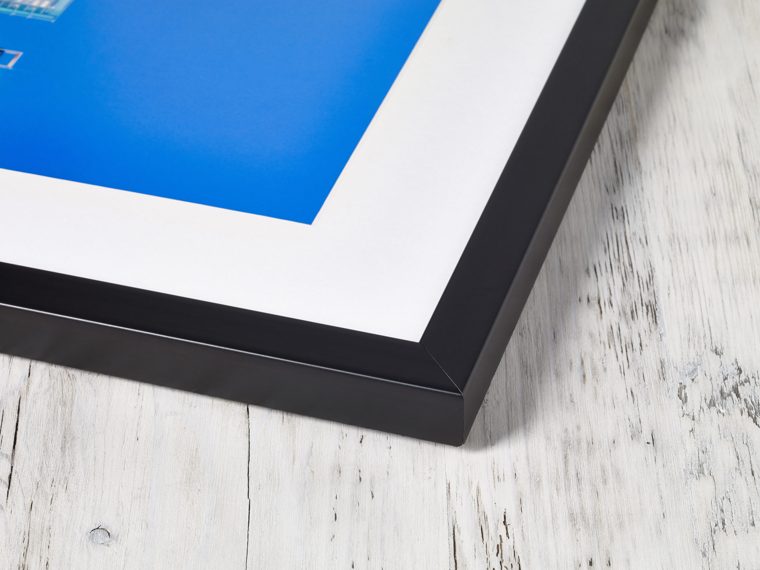
With colour removed from the image, every remaining decision becomes visible. A frame with a warm or cool cast will tint a neutral print by association, and a mount that is slightly off-white reads as dirty next to true blacks. Monochrome rewards precision more than any other kind of picture.
Why monochrome is unforgiving about frames
Black and white photography lives entirely on tonal range and contrast, which means there's no colour to distract the eye from framing choices that would go unnoticed on a colour print. The frame must provide a genuinely neutral border that lets the image breathe without adding colour noise of its own — even a warm-toned wood can subtly tint a neutral grey print by association. A mount that's slightly off-white will read as dirty next to true blacks, so precision matters more here than with almost any other kind of photography. Get the neutrals right and the image does the rest of the work.
Choosing the right frame colour
Black frames create a strong, gallery edge for high-contrast images — think hard shadows, bold graphic compositions, or street photography with deep blacks and clipped whites. White frames make the image float rather than anchor, which suits softer portraits, low-contrast tonal work, or anything shot in overcast light. Natural wood, especially walnut or a mid-toned oak, adds warmth to vintage black and white film and works well where the print already has a slightly warm, sepia-leaning cast. Dark grey is a useful middle option when neither pure black nor pure white feels right for the room.
Quick test: hold your print next to both a pure white sheet of paper and a warm ivory one. Whichever the blacks in your photo look truest against tells you whether you need a cool white mount or can get away with something warmer.
Mounts and presentation
White mounts are the classic choice for monochrome work, and a wide mount — 50mm or more on a larger print — increases the perceived size of the image and gives it proper gallery space. For a more modern look, a thin black inner mount paired with a wider white outer mount creates a striking double border that echoes the contrast within the photo itself. Off-white or ivory mounts can work for warmer, vintage-toned prints, but avoid anything that reads as cream next to a genuinely neutral black and white image, since the mismatch becomes obvious quickly. Acid-free board is essential — monochrome prints show yellowing mounts more visibly than colour ones.
Size and proportion
Square formats suit black and white portraits particularly well, echoing the classic medium-format look of much of the genre's history and keeping the composition centred on tone rather than background. Landscape or street images generally benefit from a wider frame that gives a horizon or a long shadow room to run. Keep the frame width modest — 25–35mm — so the moulding doesn't overpower the tonal subtlety that makes monochrome work; anything wider starts to compete with the image rather than support it. A slim profile also keeps the emphasis on contrast rather than the frame's own presence.
Glazing for protection
Anti-reflective glass is close to essential for monochrome prints, since black and white images show glare far more obviously than colour ones — a bright highlight reflected off standard glass can wash out the very contrast you're trying to preserve. Rooms with large windows or overhead spotlights make this worse, so anti-reflective coating is worth the small extra cost. UV-protective glazing matters even more for genuine silver gelatin prints, which can shift tone and fade with prolonged light exposure in a way modern giclée prints on fine-art paper generally don't. Museum glass is the right call for an original or irreplaceable print.
Common mistakes to avoid
Avoid coloured frames unless the photograph has a strong graphic or contemporary element that can genuinely carry it — a stray colour otherwise reads as arbitrary against a neutral image. Don't use glossy standard glass on a matte fine-art print; the sheen creates uneven reflections that flatten the tonal range the print was made to show. Mismatched mount whites are another common trap — a warm ivory mount next to a cool, neutral black and white print looks like an oversight rather than a choice. Finally, resist over-sized frames on smaller prints; they dilute the intimacy that monochrome images often rely on.
Frequently asked questions
Should black and white photos have black frames?
Black frames work best for high-contrast images with hard shadows and deep blacks, giving the print a strong gallery edge. White frames suit softer, lower-contrast portraits, letting the image float rather than anchoring it. Both are valid choices — let the tonal range of your specific photo decide rather than defaulting to black out of habit.
What mount colour for black and white photos?
White or off-white mounts are the classic, safe choice and work with almost any monochrome print. A thin black inner mount paired with a wider white outer mount adds drama and suits high-contrast, graphic images particularly well. Whichever you choose, use acid-free board, since yellowing shows up far more obviously against black and white tones than colour prints.
What glazing for black and white prints?
Anti-reflective glass reduces glare, which matters more for monochrome prints because reflections wash out contrast more visibly than on colour images. UV protection is essential for vintage or original silver gelatin prints, which fade and shift tone under prolonged light exposure. For an everyday giclée print on fine-art paper, standard anti-reflective glazing is usually sufficient.
Related guides
How to frame vintage photos • How to frame portrait photos • What is a photo mount and why does it matter? • How to frame street photography
How Emblem Frames helps
At Emblem Frames we remove the guesswork. Upload your photo and our AI analyses colour, subject and mood, then suggests the ideal frame colour, mount and finish. You see a realistic preview before you buy, so you know exactly how it will look on your wall. It’s made-to-order, delivered ready to hang across the UK, with no account needed.