How to frame vintage photos
Old photos are fragile. Frame them with care, and they’ll last another century.
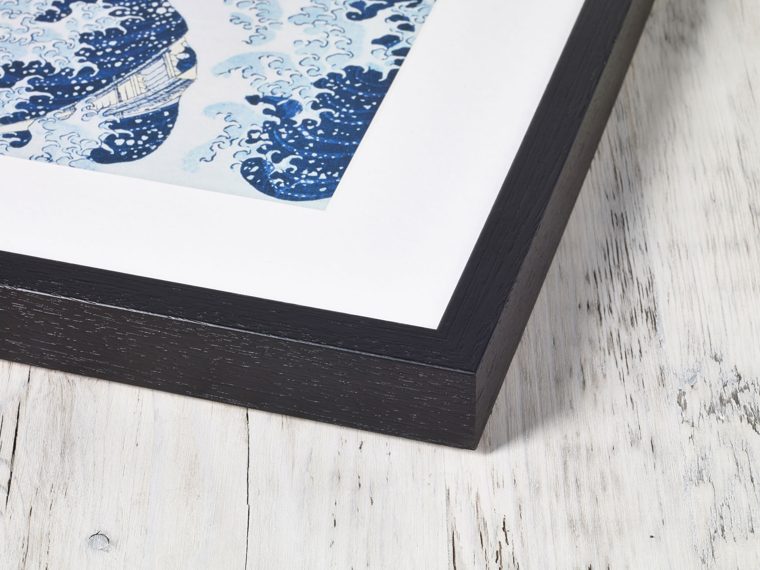
Old prints are chemically unstable, and ordinary framing materials speed that up: standard mount board is acidic and will burn a brown line into anything it touches within a few years. When the image is irreplaceable, the materials matter more than the appearance.
Why old photographs need archival framing
Vintage prints are chemically unstable in ways a modern digital print never is, and ordinary framing materials actively speed up their decline. Standard mount board is acidic and will migrate that acid into the paper it touches, leaving a visible brown line, or "mat burn", within a few years of contact. Once a print has faded, cracked or discoloured, there’s no digital file to reprint from, so the materials around it matter more than the appearance of the frame itself. Treat archival-grade mount board and UV-protective glazing as non-negotiable for anything you can’t replace, even if it costs a little more than a standard frame.
Choosing the right frame colour
Warm wood tones like oak and walnut complement the sepia and cream tones typical of aged photographs far better than a stark white or black frame would. Antique gold or bronze finishes suit very old formal portraits, particularly studio photographs from before the 1950s, echoing the ornate frames they’d have originally been sold in. For black-and-white prints from the mid-20th century onward, a simple black or dark grey frame keeps the focus on tonal contrast without looking anachronistic. Avoid bright white or glossy finishes, which tend to clash with paper that has yellowed with age.
Mounts and presentation
Acid-free cream, ivory or warm grey mounts mimic the tone of aged paper far more convincingly than a bright white mount, which can make the ageing of the photo look like discolouration rather than character. A wide mount, at least 60-70mm, gives fragile edges room to be handled and reframed later without cutting closer to the image. Always confirm the mount is described as acid-free or museum-grade — standard mount board looks identical to the eye but will damage the print over years. Snow White, Black or Hayseed acid-free mount board are common options that all satisfy this requirement.
Quick check before framing any old photo: if a mount or backing board doesn’t explicitly say "acid-free" or "archival," assume it isn’t. Ordinary mount board looks no different to acid-free board until the acid line appears on your irreplaceable print a few years later.
Size and proportion
Keep a vintage photograph at its original size wherever possible; enlarging an old print stretches film grain and paper texture until the image looks soft or artificial. If the original is a small format, such as a 6×4in or postcard-sized studio print, frame it at that size with a generous mount rather than blowing it up to fill a larger frame. Reproducing it at a larger size from a rescanned negative is a better route to a bigger display piece than physically enlarging the fragile original.
Glazing for protection
UV-protective, archival glazing is essential for any vintage photograph, since untreated light exposure is one of the fastest ways to fade a print that can never be replaced. Museum glass is worth the extra cost for genuinely valuable or one-of-a-kind images — it combines UV filtering with a near-invisible anti-reflective coating, so the print stays legible under gallery or spotlighting. For everyday family photos that are less irreplaceable, standard UV-protective acrylic offers most of the same protection at a lower weight and cost.
Common mistakes to avoid
Never use standard mount board on a vintage photograph, even temporarily, since it contains acids that begin migrating into the paper on contact. Avoid displaying an original vintage print in a spot that gets direct sunlight for any part of the day; even UV glazing only slows fading, it doesn’t stop it entirely. Don’t laminate, dry-mount or glue an original print to a backing board — these processes are irreversible and destroy the ability to conserve or restore the photograph later.
Frequently asked questions
How to protect vintage photos?
Use acid-free, archival-grade mount board — standard mount board looks identical but contains acids that will burn a brown line into the print within a few years. Pair it with UV-protective glazing, ideally museum glass for a genuinely valuable or one-of-a-kind image, since untreated light exposure is one of the fastest ways to fade an irreplaceable photograph. Keep the framed piece out of direct sunlight altogether, since even UV glazing only slows fading rather than stopping it.
What frame colour for vintage photos?
Warm wood tones like oak or walnut complement the sepia and cream tones typical of aged photographs far better than stark white or black. Antique gold or bronze finishes suit very old, formal studio portraits, echoing the ornate frames they’d originally have been sold in. For black-and-white prints from the mid-20th century onward, a simple black or dark grey frame keeps the focus on tonal contrast.
Should vintage photos have a mount?
Yes — a wide acid-free mount, at least 60-70mm, protects the fragile edges of the print and gives it a proper gallery finish. Choose a cream, ivory or warm grey tone rather than bright white, since it mimics aged paper more convincingly and won’t make the photo’s natural ageing look like discolouration. Always confirm the mount is labelled acid-free or archival, since ordinary board looks identical to the eye.
Related guides
How to frame black and white photos • What is a photo mount and why does it matter? • Which frame material should you choose?
How Emblem Frames helps
At Emblem Frames we remove the guesswork. Upload your photo and our AI analyses colour, subject and mood, then suggests the ideal frame colour, mount and finish. You see a realistic preview before you buy, so you know exactly how it will look on your wall. It’s made-to-order, delivered ready to hang across the UK, with no account needed.